Minimal Leopard Embroidery: A Designer's Fair Review
As an experienced embroidery designer who has spent countless weekends setting up booths at craft fairs and managing a handmade shop, I know that the difference between a product that sits on a table and one that sells out often comes down to the design itself. When I first encountered Minimal Leopard Embroidery, my immediate thought was not about the animal category, but rather how this specific aesthetic would translate into a physical booth display. In the world of digital products, where we are selling files rather than finished goods, the ability to visualize the end result is crucial for any Etsy seller or boutique maker looking to expand their inventory.
The First Impression: Modern Meets Rustic
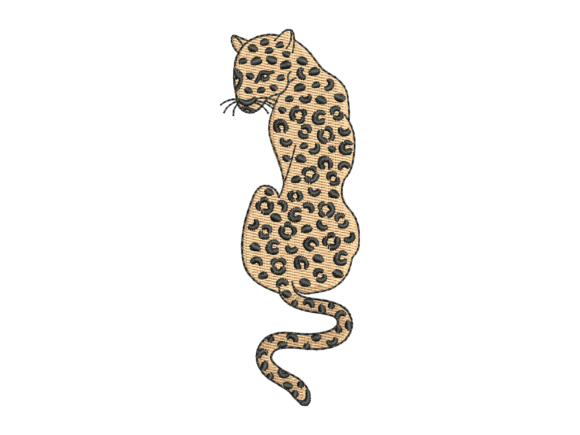
At a glance, Minimal Leopard Embroidery strikes a chord that feels both modern and rustic. It avoids the chaotic clutter of traditional patterns in favor of clean lines and intentional negative space. For a craft fair product, this is a winning combination. It feels premium without being overly ornate, making it versatile enough to fit into farmhouse decor, trendy streetwear, or elegant home accents. The "minimal" aspect suggests a sophistication that appeals to buyers who want something unique but not overwhelming. When you are scanning a table full of handmade items, a design with this level of clarity stands out because it promises quality and intentionality.
This design does not feel like a generic clipart; it feels like a curated piece of art ready to be stitched. Whether you are creating a small shop product or a large commercial line, the visual appeal of Minimal Leopard Embroidery offers a strong foundation for brand consistency. It allows your customers to see the value in the handmade quality immediately, even before they touch the fabric.
Product Versatility: Where This Design Shines
In my experience preparing for a weekend market, I test designs across various mediums to see what catches the eye. Minimal Leopard Embroidery performs exceptionally well on several key items that are staples for craft fair sellers. Let's look at how it translates to real-world applications.
- Tote Bag Design: A tote bag is often the first item people grab. Placing Minimal Leopard Embroidery as a focal point on a canvas tote creates an instant statement piece. The clean lines work beautifully against the natural texture of cotton canvas, offering a chic accessory that fits perfectly into a modern wardrobe.
- Apron Embroidery: For kitchen enthusiasts, this design transforms a standard apron into a conversation starter. It adds a touch of personality without distracting from the cooking process. The minimal style ensures it remains elegant whether the wearer is baking bread or grilling outdoors.
- Tea Towel Embroidery: These are high-volume sellers at craft fairs. The design's simplicity means it looks crisp on textured towels, provided the stitch density is appropriate. It serves as a lovely decorative element that elevates a basic kitchen staple into a giftable handmade item.
- Embroidered Patch: If you have the right backing materials, this design works wonders as a detachable patch. Customers love customizing denim jackets or backpacks with these kinds of subtle yet bold motifs.
- Pillow Covers and Pouches: For smaller items like fabric pouches or pillow covers, the design acts as a sophisticated accent. It proves that you don't need massive coverage to make an impact; sometimes, a single, well-placed motif is all it takes to sell a product.
When photographing these items for online listings or printable mockups, Minimal Leopard Embroidery shines. Its clean geometry photographs well under natural light, ensuring that the details are visible even in thumbnail images on Etsy. This is critical for digital sellers who rely on visual engagement to drive sales.
Practical Selling and Production Insights
Moving from concept to production requires a keen eye for detail. One of the biggest advantages of this file is its scalability. Because the design is minimal, it can function effectively as a small accent on a cap or a larger focal design on a tea towel. However, this versatility comes with responsibilities regarding production quality.
For batch production, the design is highly repeatable. You can create a cohesive collection of embroidered patches, caps, and market bags that all share the same visual language. This consistency builds trust with your audience and strengthens your booth display strength. When a customer sees a unified aesthetic across different products, they are more likely to view your entire booth as a premium destination.
However, when working with a machine embroidery design, you must consider the limitations of the medium. While the design is clean, you still need to ensure that the thread colors provide sufficient contrast against your chosen fabric. On dark fabrics, the minimal nature of the pattern might require a higher stitch count or a specific underlay to prevent the fabric texture from showing through too much. Conversely, on light fabrics, the design might lose some definition if the thread weight is too thin.
Careful-Use Notes for Maximum Clarity
Before you start stitching hundreds of units, there are specific areas where attention is required. Dense stitch areas can sometimes cause puckering if the stabilizer isn't chosen correctly. With Minimal Leopard Embroidery, pay close attention to the spacing of the spots. If the design includes tiny details, be cautious about shrinking it too much for small items like patches or cap fronts. Small lettering or intricate dots may lose clarity at reduced sizes, resulting in a muddy appearance that hurts the perceived value of the finished product.
Fabric texture also plays a major role. Textured towels or thick denim can hide the subtlety of a minimal design. If the fabric is too bulky, the stitches might not lay flat, disrupting the clean lines that make this design so appealing. Always test on scrap fabric first to ensure the hoop size accommodates the design without cutting off edges, and verify that the stitch density is appropriate for the material thickness.
Essential Designer Notes for Success
To truly maximize the potential of this digital asset, I recommend following a strict workflow. Start by reviewing the spacing and confirming the hoop size requirements listed in the file metadata. Use the right stabilizer for your project; cut-away stabilizers are generally best for items that will be washed frequently, like aprons and tote bags, while tear-away works well for temporary projects.
Create at least one real mockup before listing the item. Seeing the design stitched on actual fabric reveals issues that digital previews cannot show. Compare fabric colors carefully; a leopard print that looks stunning on white might disappear on beige. Furthermore, confirm commercial licensing terms before selling finished products. Since Minimal Leopard Embroidery is a digital product delivered in ZIP or RAR format, you must ensure you have the rights to produce and sell the physical items made from it.
Remember that this is a digital download. No physical item will be shipped, and there are no returns or refunds for digital products. This means your responsibility lies in providing accurate information and high-quality instructions to your buyers. By testing thoroughly and understanding the nuances of Minimal Leopard Embroidery, you can turn a simple digital file into a profitable line of craft fair products.
Ultimately, Minimal Leopard Embroidery offers a blend of style and practicality that is rare in the current market. It respects the buyer's desire for uniqueness while maintaining the structural integrity needed for mass production. Whether you are a seasoned Etsy seller or a creative entrepreneur just starting out, this design provides a solid platform for building a brand that resonates with customers who appreciate thoughtful, handmade details.